

Pet Safety and Low-Voltage Landscape Lighting in Media Homes
Lighting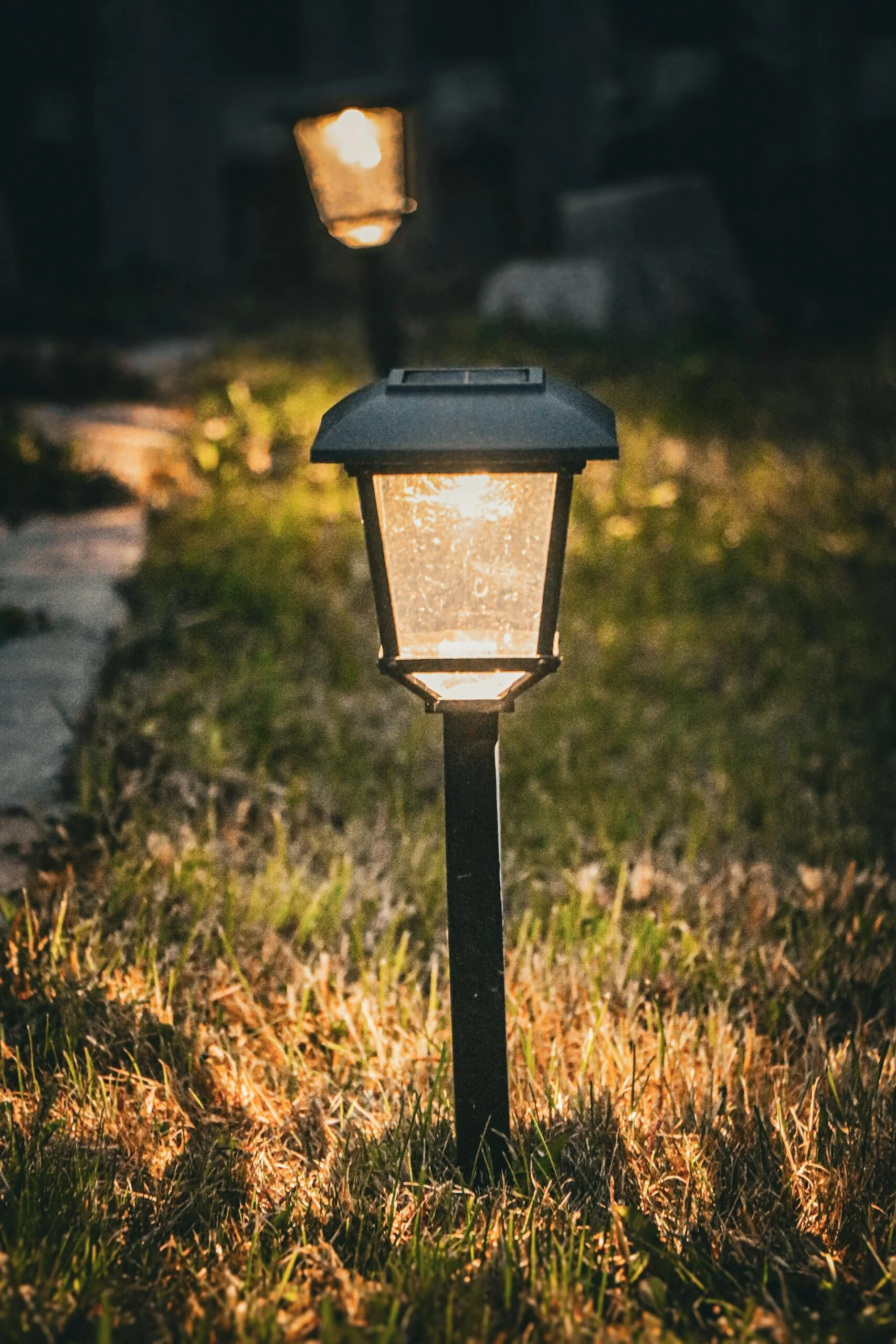
Adding outdoor lighting can completely change the way a yard feels at night. It brings out pathways, highlights trees, and makes outdoor spaces more usable after sunset. But if you have pets running around, it is natural to pause and ask whether low-voltage landscape lighting is actually safe for them. The good news is that in most residential setups, it is designed with safety in mind. Still, like anything installed outdoors, a little understanding goes a long way in making sure your yard stays both beautiful and safe for curious paws and noses.
In a place like Media, where many homes have yards used by both people and pets, this topic comes up often. Dogs and cats love exploring new additions to their space, especially anything that lights up or has wires. As the most reliable Delaware County electricians, let us walk through how these lighting systems work, what risks are worth thinking about, and how to create a setup that keeps your pets comfortable and protected.
Safety of low voltage lighting systems
Low-voltage landscape lighting runs on a much lower electrical output than standard household wiring. Most systems use a transformer that reduces the power coming from your home down to a level that is far less risky in outdoor conditions. This is one of the main reasons it is commonly used in residential yards.
Unlike high-voltage wiring, low-voltage systems are designed to reduce the chance of serious electrical issues if something goes wrong. Even if a wire is exposed or touched, the energy running through it is typically not strong enough to cause major harm. That said, it is still electrical equipment, and it should be treated with care.
How the system works
The system starts at an outdoor transformer connected to a standard electrical outlet. That transformer lowers the electricity before sending it through buried cables across your yard. These cables connect to small fixtures that power pathway lights, spotlights, or garden accents.
Because the voltage is reduced before it reaches the yard, the system is naturally safer than traditional outdoor wiring. It is also flexible, which means it can be adjusted or expanded without major changes to your home electrical system in Exton, PA.
Electrical safety around pets
For pets, the biggest safety factor is the low power running through the lines. If a dog digs near a cable or a cat brushes against a fixture, the risk of serious injury is very low when the system is installed correctly. However, safety is not only about voltage. It also depends on installation quality, wire protection, and making sure everything is properly secured.
Well-installed lighting systems keep wires buried at safe depths and use insulated materials that protect against wear and tear from weather or movement in the soil. This reduces the chance of pets coming into direct contact with anything exposed.
Common concerns pet owners have
Even with a safe system, pet owners often have a few understandable worries. The most common one is whether animals might chew on exposed wires or damage fixtures while playing in the yard. Dogs in particular may dig in soft soil, especially around newly landscaped areas. If lighting cables are not buried properly, this can create a situation where wires are exposed.
While low voltage reduces risk, exposed wiring is still something you want to avoid for both safety and durability reasons. Cats are usually less likely to chew on wires, but they may still investigate fixtures, especially ones that glow or reflect light. In most cases, outdoor lighting fixtures are built to handle light contact, but they are not meant to be pulled or disturbed repeatedly.
Chewing and digging behavior
Pets explore with their mouths and paws, so any outdoor installation needs to take that into account. Most professional installations use protective tubing or direct burial-rated cables that are resistant to chewing and moisture. This helps reduce the risk even if a curious pet decides to investigate.
Digging is another factor. If your pet has a habit of digging in the yard, placing cables deeper, or reinforcing high-traffic areas can make a big difference. Simple adjustments during installation can prevent future issues.
Heat and contact safety
Another concern is whether lights or fixtures get hot. Low-voltage lighting systems typically produce very little heat compared to traditional outdoor lighting. Most fixtures are designed to stay cool enough that accidental contact does not cause burns or discomfort. Still, it is always a good idea to place lights in areas where pets are less likely to bump into them repeatedly, especially along active play zones.
Installation choices that improve safety
The way the system is installed plays a big role in how safe it is for pets. Even the best lighting products can become a problem if installed poorly. That is why planning matters just as much as the equipment itself.
Proper burial depth and wire protection
One of the most important steps is burying cables at the correct depth. This keeps them away from digging paws and routine yard activity. In many cases, protective conduit is used in areas where extra protection is needed, such as near garden beds or pathways where pets frequently walk. Keeping wires secure also helps prevent accidental exposure during yard maintenance like mowing or edging.
Quality fixtures and transformers
A reliable transformer helps regulate power consistently, which keeps the system stable. Fixtures made from durable outdoor materials are less likely to break or become loose over time. This reduces the chance of sharp edges or exposed parts that could bother pets. Choosing materials that hold up well in outdoor conditions also means fewer repairs and less disruption to your yard over time.
Pet friendly yard lighting tips
Creating a safe lighting setup is not only about installation. It also helps to think about how your pets use the yard on a daily basis. Try placing pathway lights along walking routes rather than open play areas. This keeps lighting functional without putting fixtures directly in the middle of the active space. If your pet loves running across the yard, keeping the center more open can reduce accidental bumps or disturbances. You can also use soft lighting instead of very bright fixtures in areas where pets relax. This helps avoid overstimulation at night and keeps the environment calm.
Another helpful idea is routine inspection. Every few weeks, take a quick walk around the yard and check for loose fixtures, exposed wires, or areas where digging may have shifted the soil. Small checks like this can prevent bigger issues later. Low-voltage landscape lighting is generally a safe choice for yards with pets in Media when it is installed and maintained properly. The lower electrical output, combined with good installation practices, makes it suitable for homes where dogs and cats spend a lot of time outdoors.
Like any outdoor system, its safety depends on attention to detail. Proper wire protection, thoughtful placement, and occasional checks go a long way in keeping everything secure. For pet owners, that means enjoying a well-lit yard at night without worrying about every step their animals take.
With the right setup, your yard can stay both inviting and safe, giving your pets space to roam while you enjoy the comfort of a well-lit outdoor environment. For more information, visit https://www.jdvelectric.com/.


Universal Website Form - consolidated 2026_v2
Created single source form across entire website to streamline contact information being entered into the website and site location it was coming from.

Sign Up for Our Safety &
Savings Plan
Annual Electrical SafetyInspections & More
- Lifetime installation and 2-year repair warranties
- 15% discount on products and services
- Exclusive specials
- No service fees
- Transferrable plan if you sell your home
 Tap to Book
 Tap To Save