

When a High Ceiling Calls for Stronger Fan Support
Electrical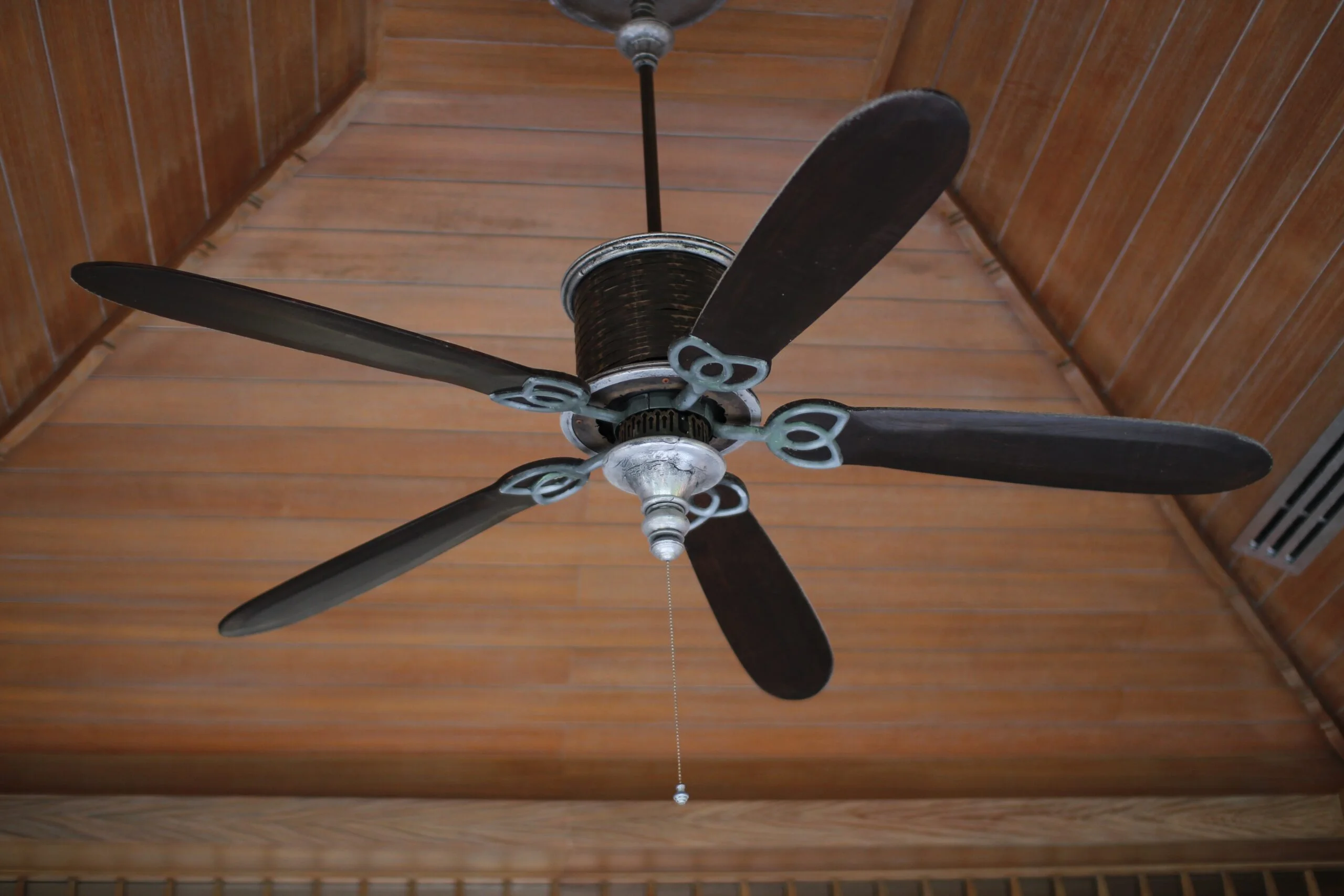
A ceiling fan can do a great job in a tall room, but the installation needs the right support. High ceilings change the way a fan hangs, moves, and pushes air. The fan box must hold more than a light fixture load. It must also handle motion from the spinning blades. Older homes can hide weak boxes or poor framing too. That can lead to wobble, noise, or a loose mount over time. A licensed electrician in Springfield PA can inspect the box, wiring, and framing first. That helps you choose the right fan, downrod, and support parts for a safer and smoother result.
Why High Ceilings Change the Installation
Taller Mounting Height Affects Fan Support
A high ceiling changes more than the look of a room. It also changes the way a ceiling fan hangs and moves. A fan does not sit still like a light fixture. It spins for long periods and puts force on the box above it. That force can shift into the ceiling framing if the box is weak or loose. In a tall room, the drop from the ceiling can place more strain on the mount. That is one reason a fan rated box matters. It is built to hold both weight and motion. The framing above the ceiling also plays a big part. If the box only attaches to drywall or a poor support point, the fan may wobble, shake, or make noise over time. A taller ceiling can also make service work harder, since the install point sits farther from view and reach.
Longer Downrods Change Balance and Airflow
A longer downrod helps place the fan lower in the room, where it can move air better. That helps in tall spaces, since a fan mounted too high may not push air where people sit or stand. Still, a longer downrod changes the way the fan hangs. The fan has more room to sway if the mount or box lacks strength. Small movement at the top can look bigger at the blades. That can lead to wobble, noise, or wear on the mounting parts. Balance also matters more in this setup. The blades need proper spacing, and the fan must hang straight. Room shape plays a part too. A very tall or open room may need a larger fan or a different placement plan. Good airflow starts with the right drop, but safe airflow starts with strong support.
Signs Special Bracing May Be Needed
Heavy Fans Put More Stress on the Box
A heavy ceiling fan puts more force on the electrical box than a light fixture does. The box must hold the fan’s weight and handle the pull from the spinning motor. That force grows if the fan has large blades, a big motor, or a long downrod. High ceilings can add to that strain because the fan hangs lower and moves through a wider arc. A weak box may shift over time. You may hear noise, see wobble, or notice the fan does not sit level. Those signs often point to poor support above the ceiling. A support brace can help if the framing does not give the box enough strength. The goal is simple. The fan should stay stable while it runs and while it starts or stops.
Older Ceiling Boxes May Not Support Fan Motion
Older ceiling boxes often fail this kind of job. Many were made for lights, not ceiling fans. A light box can hold a fixture that stays still, but a fan creates motion every time it runs. That motion can loosen old screws, stress worn parts, and pull against weak framing. In some homes, the box may attach to a thin bar or a small wood block that does not give strong support. Age can add more problems. Metal parts can loosen. Wood can dry out. Past repairs may also leave a poor mounting point. A support brace or a new fan rated box can fix that weak spot. Before any fan goes up, the box should match the load and the motion of the fan.
Parts Used to Support a Ceiling Fan Safely
Fan Rated Boxes Hold Weight and Movement
A fan rated box is built for a ceiling fan, not just a light fixture. That difference matters a lot. A ceiling fan adds weight and motion to the ceiling. The box has to hold the fan in place while the blades spin and the motor starts and stops. A standard light box may not handle that job well. A fan rated box is tested for that kind of load. It mounts to the frame in a stronger way and gives the fan a steadier base. That helps cut down on wobble and noise. It also helps the fan stay level over time. In a high ceiling room, that added support matters even more because the fan often hangs lower and puts more pull on the mount.
Brace Bars Add Strength Between Joists
Brace bars help support the box by locking between ceiling joists. They give the box a firmer place to sit when direct framing access is not simple. That makes them useful in many fan installs, especially in finished rooms. The bar spreads the load across the framing instead of putting all the force on one weak point. This can help with heavy fans and fans that use a longer downrod. In high ceiling rooms, that added strength can help the fan stay stable during daily use. A brace bar still has to match the box and the fan type. It also has to be installed the right way. When all parts work together, the support system does a much better job.
Problems That Can Happen Without Proper Support
Wobble and Noise Can Start at the Mount
Wobble often starts at the top of the fan, not at the blades alone. Many people blame blade balance first, but the real problem can sit inside the ceiling. If the box moves, the fan can shift every time the motor starts, slows, or changes speed. That small movement can turn into a shake you can see from across the room. In a high ceiling room, that motion can look even larger because the fan hangs farther down. Noise can start there too. You may hear a clicking sound, a hum, or a light knocking sound near the mount. Those sounds often point to loose parts, poor support, or a box that does not fit the fan. A strong mount helps the fan stay steady and run with less noise over time.
Loose Boxes Can Lead to Safety Issues
A loose ceiling box is more than an annoyance. It can turn into a safety problem. A ceiling fan puts force on the box every time it runs. That force does not stop after the install. It keeps working on the screws, the bracket, and the framing above the ceiling. If the box shifts or pulls away, the fan may hang unevenly or move more than it should. That can wear down parts faster and strain the wiring near the top of the fan. In some cases, the wires can loosen or rub against metal parts. That adds risk and can lead to more repairs later. A high ceiling can also make the problem harder to spot right away. By the time the fan starts shaking badly, the support may already have a serious problem.
Smart Planning Before the Fan Goes Up
Room Size Helps Pick the Right Fan
Room size plays a big part in fan choice. A fan that is too small may not move enough air across the space. A fan that is too large can look out of place and may push air too hard in a smaller area. In a room with a high ceiling, this choice matters even more. The fan sits farther from the people below, so size and placement both affect comfort. Blade span, motor strength, and mounting height all work together. A tall living room may need a larger fan than a small bedroom with the same ceiling height. It also helps to think about furniture layout and where people spend time in the room. Good planning helps the fan look right, run well, and move air where it is needed most.
Ceiling Shape and Framing Affect the Setup
Ceiling shape can change the whole fan installation. A flat ceiling often works with a standard mount. A sloped or vaulted ceiling may need a special mounting kit so the fan can hang straight. If the fan does not hang level, it can wobble and wear down parts faster. Framing matters too. The box needs strong support from the joists or from a brace that locks between them. Drywall alone cannot hold a ceiling fan safely. In some homes, the framing sits in a spot that does not line up with the center of the room. That can affect where the fan goes and what support parts fit best. Looking at the ceiling shape and the framing early helps avoid installation problems and helps the fan run with less noise and movement.
Get Reliable Electrical Installation, Repair, Replacement, and Maintenance With JDV Electric
A high ceiling fan needs more than a good look. It needs the right box, solid support, and the proper drop for the room. Fan weight, ceiling height, and framing all shape the install. A weak box can lead to shaking, noise, and poor airflow. Good planning helps the fan stay steady and work better each day. That is why many homeowners want skilled help before the work starts. If you want a safer install for your home, expert electrician in Exton, PA at JDV Electric is here to help us get the job done right. Visit us at 777 W Providence Rd, Unit B, Lansdowne, PA 19050, or call (484) 462-7228 for ceiling fan installation and electrical service.


Universal Website Form - consolidated 2026_v2
Created single source form across entire website to streamline contact information being entered into the website and site location it was coming from.

Sign Up for Our Safety &
Savings Plan
Annual Electrical SafetyInspections & More
- Lifetime installation and 2-year repair warranties
- 15% discount on products and services
- Exclusive specials
- No service fees
- Transferrable plan if you sell your home
 Tap to Book
 Tap To Save