



A space heater trips a breaker on the first really cold night. The lights flicker when the heat kicks on. After a stretch of snow and freezing rain, an outdoor outlet stops working.
Electrical problems can seem to appear out of nowhere in winter. Often, the season changes how much electricity you’re using or exposes equipment to conditions it doesn’t encounter during warmer months. But not every winter power problem has the same cause, and the right response depends on what you’re seeing.
Here are six issues worth knowing about, what you can safely check, and when to bring in an electrician.
From increased use of heating appliances to the decorative cheer of seasonal lighting, various factors contribute to the heightened risk of electrical issues. Let’s delve into the primary causes of home electrical problems in winter and why understanding these factors is crucial for maintaining a safe and comfortable home.
Why Do Electrical Problems Show Up More Often in Winter?
Cold weather doesn’t automatically make a healthy circuit unsafe. The bigger changes are usually increased electrical demand and exposure to winter weather.
Portable space heaters add a substantial load to household circuits. Days are shorter, so lighting is used longer. Snow, ice, and wind can affect overhead electrical equipment, while moisture can interfere with outdoor electrical connections and GFCI-protected outlets.
In some homes, winter simply makes an existing concern easier to notice. A breaker that was already close to its limit may start tripping once a heater is plugged in. A damaged outdoor connection may only become apparent after a thaw. The important thing is not to assume a single cause from the season alone.
6 Common Winter Electrical Issues
1. A breaker trips when a space heater is running
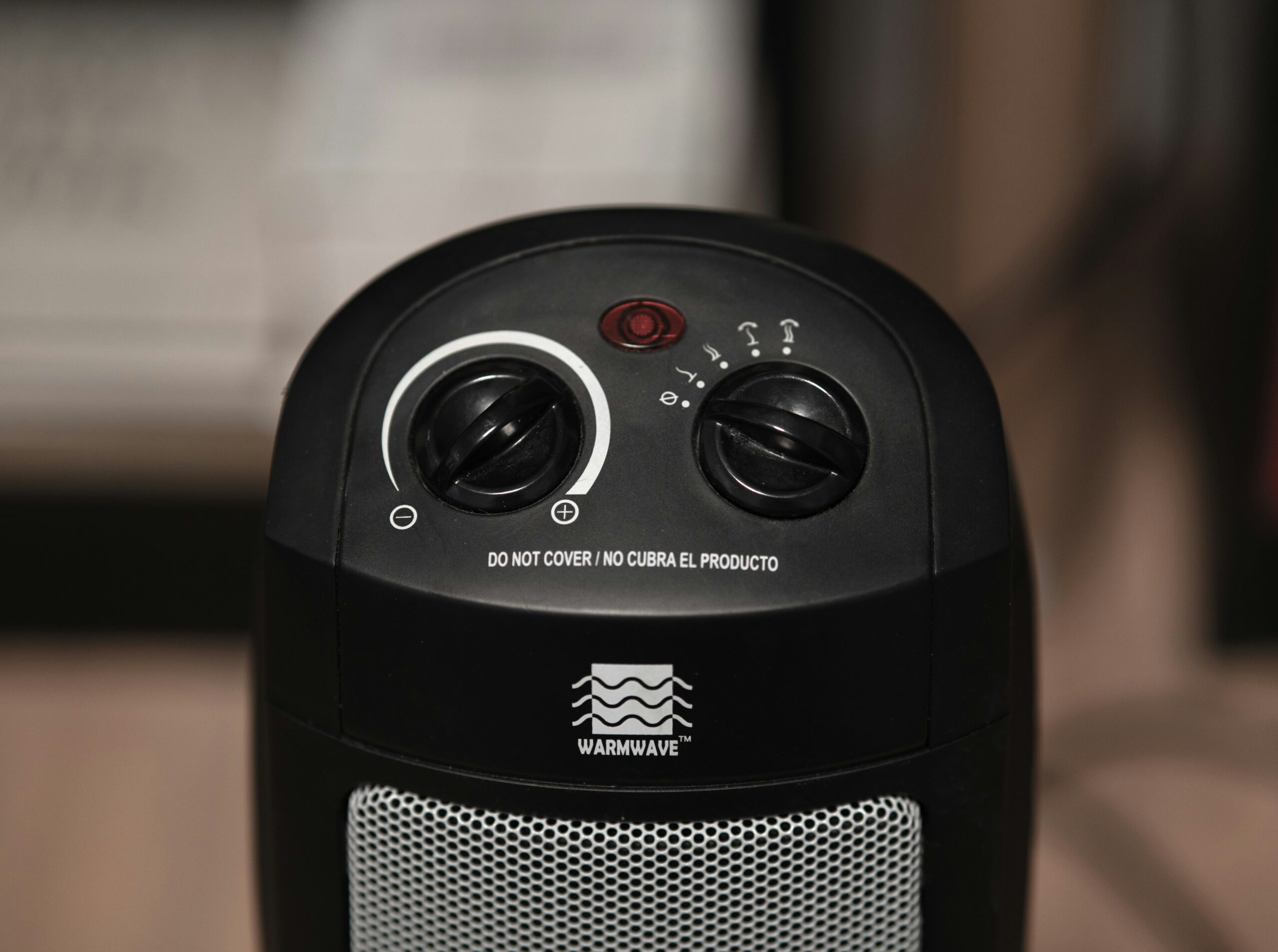
Portable electric heaters can draw a lot of power. If the heater shares a circuit with other appliances, the combined load may exceed what that circuit can safely carry. A faulty heater or a separate wiring problem can also cause trouble.
Plug electric space heaters directly into a wall outlet, not an extension cord or power strip. Keep them at least three feet from anything that can burn, and turn them off before leaving the room or going to sleep.
When to call: If the breaker trips again, stop using the affected equipment and have the cause evaluated. Repeated resets are not a solution. Learn more about breaker problems and troubleshooting.
2. Lights flicker or dim when equipment starts
You might notice lights briefly dim when a large appliance or heating component starts. The timing is useful information, but it doesn’t reveal the cause by itself.
Recurring or worsening flickering, lights that brighten and dim unexpectedly, or changes affecting multiple rooms can point to wiring, connection, or supply issues. An electrician may need to evaluate the home’s circuits and equipment. If several homes are affected, the utility may need to investigate.
When to call: If flickering is persistent, becoming more frequent, or accompanies buzzing, unusual heat, or a burning smell, do not ignore it.
3. An outdoor outlet or GFCI stops working after wet weather
Snowmelt and freezing rain can expose damaged outdoor cords, receptacles, or connections to moisture. A GFCI may shut off power when it senses an electrical fault, and that’s a protective action worth taking seriously.
Keep electrical equipment out of standing water. Don’t touch wet plugs or attempt to dry or repair energized connections. If a GFCI won’t reset or trips repeatedly, leave the affected equipment disconnected.
When to call: JDV can investigate recurring GFCI problems, damaged outdoor receptacles, and related wiring concerns. See our outlet and switch repair services.
4. Only part of the house loses power
A power problem affecting one room or a few outlets can be different from a neighborhood outage. It may involve a tripped breaker, a failed device, or another issue on the home’s electrical system. If several rooms are affected, other electrical or utility-side problems are possible.
Check whether nearby homes have power and look for an outage notice from your utility. If the rest of the neighborhood has power but part of your home remains out, describe exactly which rooms and appliances are affected when you call for service.
When to call: If there is no reported utility outage and power remains out in part of your house, a qualified electrician can investigate. Do not open your electrical panel or attempt wiring repairs.
5. A winter storm damages overhead lines or exterior equipment
Wind, ice, and falling branches can damage electrical lines and service equipment outside the home. A damaged line can remain energized even when it looks inactive.
Stay far away from downed lines and anything touching them. Contact your electric utility, and call emergency services if there is an immediate danger. Never try to move a line, clear branches near it, or repair exterior electrical equipment yourself.
Who to call: The utility is the first contact for a neighborhood outage or downed power line. Once the area is safe, the utility or a qualified electrician can clarify whether equipment on the homeowner’s side needs repair.
6. An outlet feels hot, makes noise, or smells like something is burning
Warm or discolored outlets, crackling sounds, and burning odors are not normal winter inconveniences. They can indicate a loose connection, damaged wiring, or another electrical hazard.
Stop using the affected equipment if it is safe to do so. Do not touch hot or damaged electrical components. If you see smoke, sparks, or an immediate fire hazard, leave the area and call emergency services.
When to call: Arrange professional electrical help for warning signs even if power seems to be working again. Intermittent symptoms still matter.
What Can You Safely Check Before Calling an Electrician?
You don’t need to diagnose the electrical system yourself. A few observations can make the next conversation more productive:
- Note what’s affected. Is it one outlet, one room, or the entire house?
- Think about what was running. Did the problem start when a space heater or another appliance was switched on?
- Check for a reported utility outage. Nearby homes losing power may indicate a utility problem rather than a fault inside your house.
- Notice whether the issue keeps returning. Repeated breaker or GFCI trips deserve more than another reset.
- Watch for urgent warning signs. Smoke, burning odors, sparks, unusual heat, or damaged service equipment call for immediate caution.
Avoid opening the panel, changing breaker sizes, using damaged outlets, or operating electrical equipment in a wet or flooded area. If there’s any doubt about whether a check is safe, leave the equipment alone.
Winter Electrical Maintenance: A Short Homeowner Checklist
A little preparation before the next cold stretch can make winter electrical problems easier to recognize and manage.
Use heaters properly. Inspect heater cords and plugs, follow the manufacturer’s instructions, and plug electric space heaters directly into wall outlets. Never leave them running while you sleep.
Test smoke and carbon monoxide alarms. Follow the manufacturer’s testing and replacement instructions. Battery backup matters if utility power is interrupted.
Check visible outlets and cords. Look for loose plugs, damage, discoloration, or other signs that equipment should be taken out of use. Leave electrical repairs to a qualified electrician.
Know your utility’s outage reporting process. Have the utility’s contact information and a charged phone available before severe weather arrives.
Plan for power interruptions. Keep flashlights and a charging plan available. If you use a portable generator, follow the manufacturer’s instructions and the U.S. Consumer Product Safety Commission’s guidance: generators belong outdoors, at least 20 feet from the home, with exhaust directed away from openings. Never operate a generator in a garage or connect it to home wiring through an improvised cord.
When Do You Call the Utility, and When Do You Call an Electrician?
Call your electric utility about neighborhood power outages, downed power lines, or suspected damage to utility-owned equipment. If a line is down, keep your distance and follow emergency guidance.
Call a qualified electrician for repeated breaker trips, outlets that stop working without an area-wide outage, recurring GFCI problems, flickering that appears to involve your home’s wiring, or visible damage to homeowner-owned electrical equipment. For immediate fire or shock danger, prioritize getting to safety and contacting emergency services.
If you aren’t sure who is responsible for the affected equipment, the utility or an electrician can help clarify the next step.
How JDV Electric Helps Homeowners Find the Cause
When power goes out in one room or a breaker keeps tripping, the hard part is often not knowing whether you’re dealing with a simple repair or a larger electrical problem.
JDV Electric provides residential electrical troubleshooting throughout Delaware and Chester Counties. We start with what you’ve noticed, evaluate the relevant equipment, and explain the findings in plain language.
If repairs are needed, we explain the recommended work and its price before you approve it. Depending on the condition of the system, that might mean fixing a circuit or outlet, addressing a connection issue, or discussing electrical panel work if the findings support it. A tripping breaker alone does not automatically mean a panel replacement.
Winter Electrical Problems: Frequently Asked Questions
Why does my breaker trip only when it’s cold outside?
Cold weather alone doesn’t tell you why a breaker tripped. Winter appliance use, especially portable heaters, may increase demand on a circuit. A failing appliance or wiring issue may also be involved. If the breaker trips repeatedly, stop using the affected equipment and have it checked.
Can a space heater overload a circuit?
Yes. Portable electric heaters can use a significant portion of a circuit’s available capacity. Plug them directly into a wall outlet and avoid sharing that outlet with other devices. Do not use a power strip or extension cord for an electric space heater.
Why does an outdoor GFCI trip after snow or rain?
Moisture in a connection or damaged outdoor equipment can create a fault that causes the GFCI to shut off power. Don’t repeatedly reset it to keep equipment running. Disconnect the affected equipment when safe and have recurring problems evaluated.
Should I call JDV if my entire neighborhood loses power?
Start with the electric utility and its outage reporting system. JDV handles electrical problems on the home side of the service, but it cannot restore a neighborhood utility outage.
Does an older home need a new electrical panel before winter?
Not just because it’s older. The condition of the panel, the home’s circuits, and its actual electrical needs determine whether repairs or upgrades are warranted. An electrician can assess concerns and explain the appropriate options.
Get Clear Answers About Winter Electrical Issues
Winter electrical problems don’t all call for the same fix. Some are tied to appliance use, some to weather, and some to conditions within the home that need a closer look. Understanding which is which helps you make a better decision about what to do next.
If you’ve noticed repeated breaker trips, flickering lights, or outlets that aren’t working, schedule electrical troubleshooting with JDV Electric. We serve homeowners across Delaware and Chester Counties, Pennsylvania. Call (610) 364-5099 to describe the issue and discuss available appointments.